

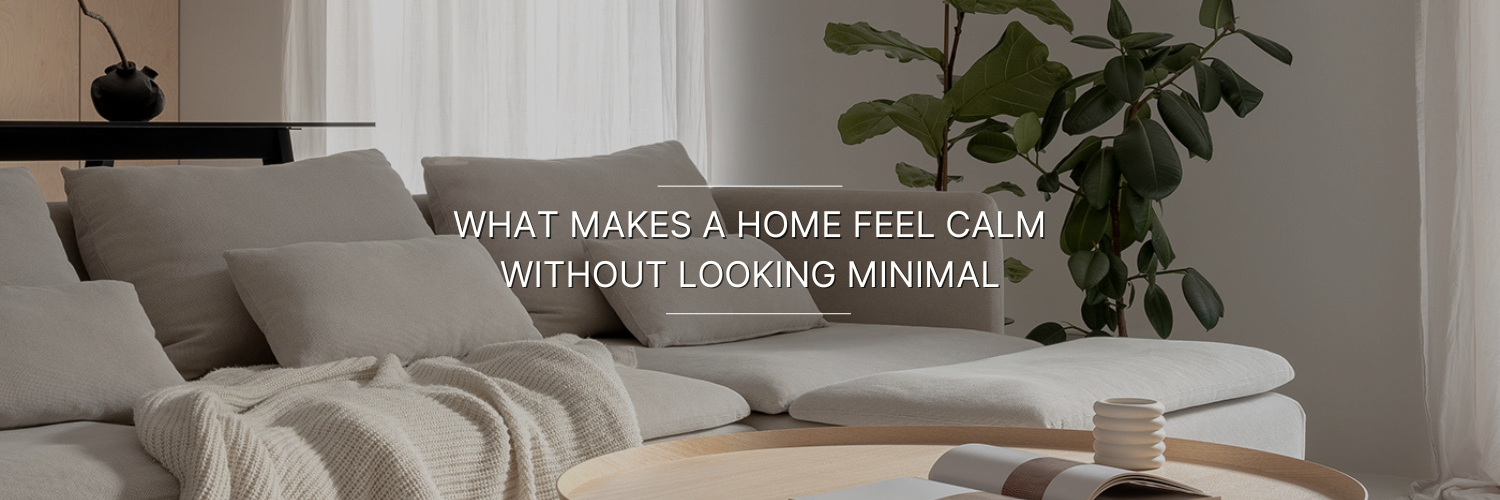
Calm homes are often mistaken for empty homes. In reality, a space can feel peaceful without being stripped down or overly minimal design. Calm comes from balance, not absence. It is created through texture, warmth, thoughtful flooring choices, and light that feels soft rather than sharp. When these elements work together, a home feels settled and reassuring while still having character.
Texture Creates Quiet Visual Interest
Flat surfaces and uniform finishes often make a space feel cold. Texture adds depth without adding noise. Soft furnishings, fabric blinds, layered curtains, rugs, and upholstered seating introduce gentle variation that the eye can rest on.
Textured blinds and curtains help break harsh light and soften window areas. Wooden Venetian blinds or fabric blinds add subtle grain and movement without drawing attention to themselves. When textures are consistent and not competing, the room feels composed and calm.
Warmth Comes From Materials, Not Colour Alone
Warmth is often associated with colour, but material choice plays a bigger role. Wood, fabric, and natural finishes bring comfort that glossy or hard surfaces cannot. Wooden flooring grounds a space and removes the echo and chill that stone or tile floors can create.
A well chosen floor allows furniture and light to settle naturally into the room. Whether the wood tone is light or dark, the material itself adds a sense of stability. Homes with wooden floors tend to feel calmer because the space feels physically comfortable underfoot.
Light Softness Shapes the Mood
Harsh lighting disrupts calm more than clutter does. A calm home manages light carefully throughout the day. Natural daylight should feel filtered, not exposed. Window treatments play a central role here.
Sheer dimout blinds allow light to enter gently, reducing glare while keeping rooms bright. Cellular blinds help soften light while also supporting thermal comfort. In the evening, warm lighting layered across lamps and wall lights creates an even, relaxed atmosphere.
Motorised blinds add to this calm by removing effort. Light changes without interruption, keeping the rhythm of the space smooth.
Flooring and Windows Work Together
Calm interiors rely on cohesion. When flooring and window treatments complement each other, the room feels unified. Wooden floors paired with neutral blinds or layered curtains create visual continuity. The eye moves easily through the space, which reduces visual stress.
This approach allows homes to feel lived in and welcoming without becoming busy or decorative.
Conclusion
A calm home is built through quiet decisions. Texture replaces clutter. Warm materials replace cold finishes. Soft light replaces glare. Thoughtful flooring and window treatments shape how a space feels long before décor enters the picture. When comfort, light, and material work together, a home feels calm without trying to look minimal. It feels balanced, personal, and easy to live in every day.