

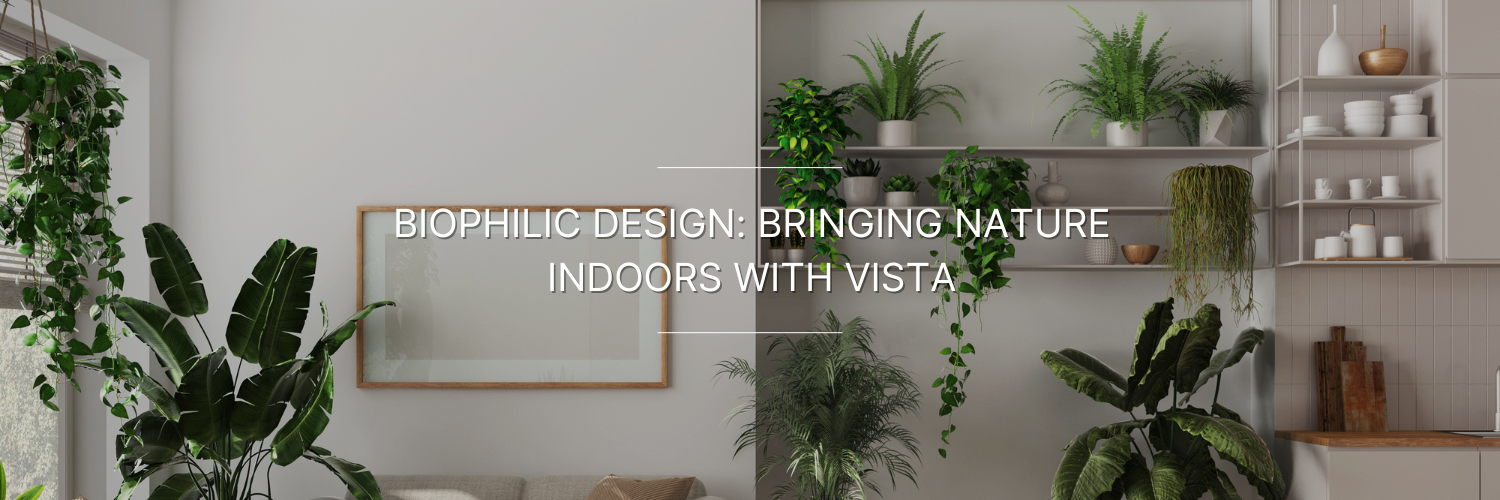
As winter settles in and outdoor life slows down, the need to feel connected to nature becomes even stronger. That’s where biophilic design comes in – a design philosophy that focuses on bringing natural elements, colours and textures into indoor spaces. In 2025, this approach is more popular than ever, as people seek calm, grounding environments that support well-being, especially during the colder months.
Why Biophilic Design Is Trending in 2025
Biophilic design isn’t just about aesthetics; it’s about creating spaces that make us feel healthier and more balanced. With rising indoor time, growing interest in natural materials, and the wellness-driven mindset of modern homeowners, this trend has become a key part of contemporary interiors. Its emphasis on organic textures, natural light, greenery and earthy palettes feels especially comforting in winter, when nature is harder to access outdoors.
Using Natural Textures to Build a Winter-Friendly Biophilic Space
Natural textures are the foundation of biophilic design. Wooden flooring adds warmth and instantly makes a room feel grounded. Lighter woods – like oak or ash pair beautifully with winter’s softer daylight and help brighten rooms. Medium and deeper tones offer a warm, cocooned effect ideal for bedrooms or lounges.
Window treatments also play a major role. Wood blinds and natural-toned blinds filter sunlight in a gentle, nature-inspired way while complementing greenery and organic décor. They help create soft shadows that mimic the feel of sunlight through trees, a small detail that adds to a calm, biophilic atmosphere.
Textiles like jute, cotton, wool, and linen can be layered to add even more natural warmth. These materials not only look inviting but also add tactile comfort that aligns perfectly with winter design.
Plants, Natural Light & Green Corners
Bringing in plants is one of the simplest ways to incorporate biophilic principles. Hardy indoor plants such as snake plants, pothos, philodendrons, or rubber plants thrive even during winter. Placing them near windows allows them to catch filtered sunlight through blinds while creating beautiful, organic silhouettes.
Maximising natural light is essential. Pairing wider windows with blinds that open fully or tilt gently can maintain privacy while still letting daylight in. Light bouncing off wooden floors creates a warm glow that enhances the natural feel of the space.
Which Materials Work Best
Light-tone wooden flooring, organic fabrics, and blinds in natural wood or soft earthy shades work seamlessly with greenery. These combinations help maintain a visual connection to nature even when temperatures drop outside.
Conclusion
Biophilic design brings warmth, serenity, and a sense of nature back into indoor spaces during winter. Through wooden textures, natural light, greenery, and thoughtful window treatments, homes can feel more grounded and restorative. As this design approach continues to shape interiors in 2025, embracing nature indoors becomes not just a trend but a meaningful way to live and unwind through the colder season.