

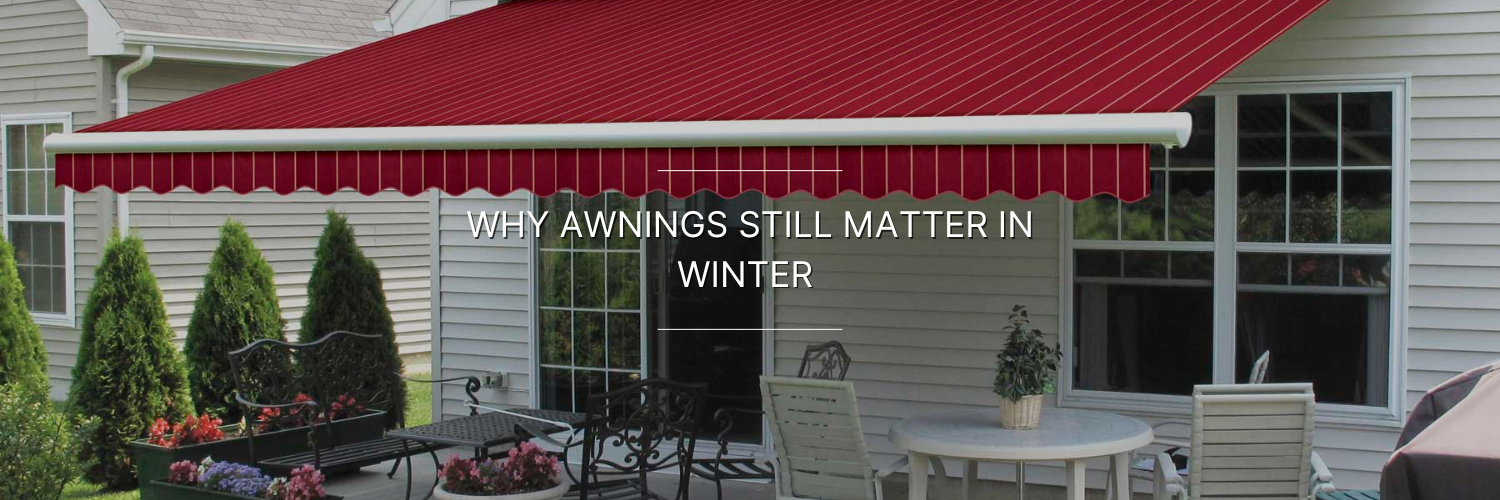
Awnings are often thought of as a summer solution, something that exists only to block harsh heat. But their role does not end when temperatures drop. In winter, awnings continue to influence how comfortable a home feels indoors, especially in spaces with large windows, balconies, and sit-outs. Their purpose shifts slightly, but their impact remains just as important.
Managing Low-Angle Winter Sun
Winter sunlight behaves very differently from summer sun. With the sun sitting lower in the sky, light enters homes at sharper angles and for longer durations. This often leads to strong glare near windows, uneven brightness, and uncomfortable hotspots on floors and furniture.
Awnings help control this exposure. By filtering and diffusing sunlight before it hits the glass, they allow warmth to enter the home without harsh glare. Living rooms, home offices, and bedrooms feel visually calmer and more balanced during the day, even when the sun is strong.
Reducing Heat Gain Without Blocking Daylight
While winter is cooler, excessive heat gain through glass can still make certain areas feel stuffy or uneven in temperature. Awnings prevent direct sunlight from overheating window surfaces, helping indoor spaces stay stable rather than fluctuating between warm and cold.
This is especially useful in homes with large glass doors or windows that face direct sun. The room remains bright, but without sudden temperature changes that affect comfort.
Protection from Cold Winds and Drafts
Awnings also act as a buffer against cold air. During winter, wind hitting windows and doors can create drafts that travel indoors. By shielding openings from direct exposure, awnings reduce this impact.
This helps maintain indoor warmth and supports better performance of heating systems. Rooms feel less exposed and more controlled, even on colder days.
Improving Indoor–Outdoor Comfort
Balconies and sit-outs often become unused in winter due to exposure. With awnings, these spaces remain usable during sunny winter afternoons. The shade softens light and reduces wind, making outdoor areas comfortable extensions of the home rather than seasonal spaces.
This also improves indoor comfort, as the transition between outdoor and indoor temperatures becomes gentler.
A Year-Round Comfort Element
Awnings are not seasonal accessories. They are part of a home’s comfort system. In summer, they block heat. In winter, they manage light, glare, and airflow. Their ability to adapt across seasons makes them a valuable design choice rather than a temporary solution.
Conclusion
Awnings still matter in winter because comfort is not only about warmth. It is about light control, temperature balance, and protection from exposure. By softening low-angle sunlight, reducing glare, limiting drafts, and supporting stable indoor conditions, awnings continue to improve how homes feel long after summer ends. When designed as a year-round element, awnings quietly enhance indoor comfort in every season.