

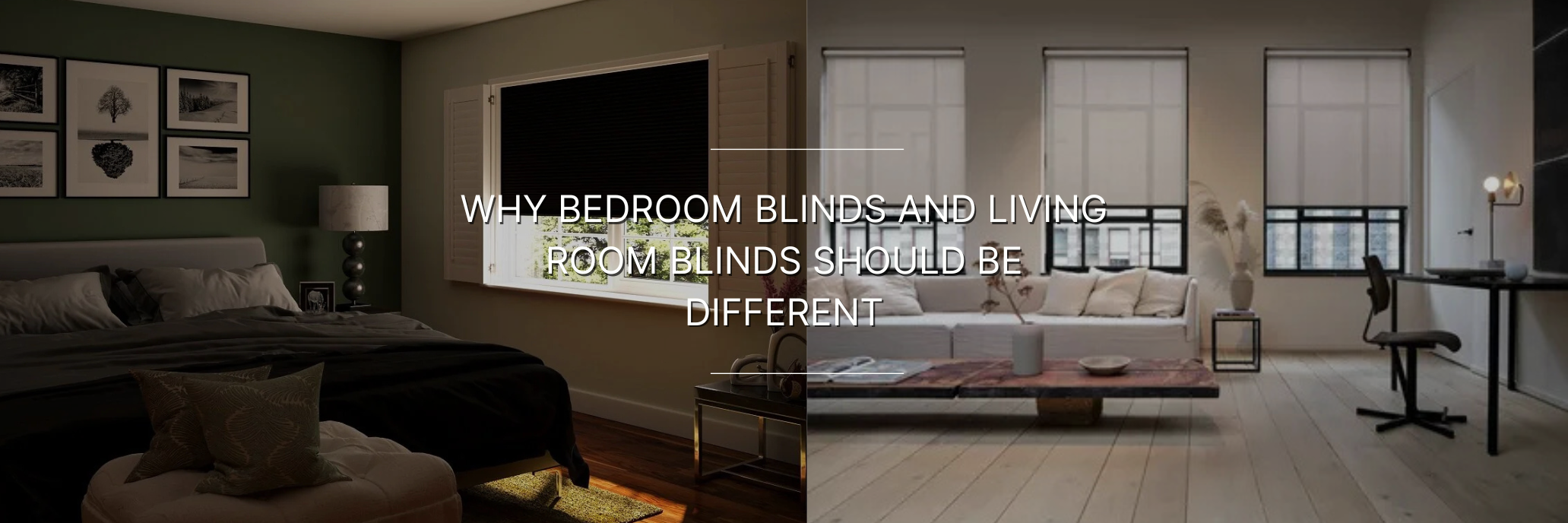
Blinds play a defining role in how a room feels and functions. Bedrooms and living rooms serve very different purposes. One is about rest and privacy, the other is about energy and openness. Choosing the same blinds for both spaces often leads to compromise. Each room calls for specific features, materials, and light control approaches to feel truly comfortable.
Bedroom Blinds: Designed for Deep Comfort
Bedrooms require darkness, insulation, and quiet. Light control is essential for restful sleep, which makes blackout or dimout blinds a practical choice. Cellular blinds are especially effective because of their honeycomb structure that traps air within layers. This helps regulate bedroom temperature while also reducing outside noise.
Roman blinds add softness through fabric folds and work well when the goal is to create a cosy feel. When paired with curtains using sturdy rods and tracks, they give both functional control and visual depth. Wooden Venetian blinds are another strong choice for bedrooms that feel too plain. Their natural texture creates warmth without feeling heavy.
Motorised bedroom blinds make daily routines smoother. Opening blinds from bed and closing them without moving improves comfort and promotes a restful environment at both ends of the day.
Living Room Blinds: Designed for Flexibility
Living rooms require adaptability rather than darkness. Natural light is welcome, yet glare and heat must be controlled. Roller blinds offer clean lines and versatile usage for modern setting. Light-filtering fabrics maintain brightness while protecting furniture from prolonged sun exposure.
Sheer and dimout systems work well in layered window designs. During the day, sheer blinds diffuse sunlight softly. In the evening, dimout layers provide privacy. Vertical blinds are ideal for large windows and sliding doors as they keep the area open while controlling airflow and sunlight effectively.
Aluminium Venetian blinds allow directional light control. Their adjustable slats help manage brightness without blocking views entirely. For spaces that open into balconies, awnings or outdoor umbrellas add shading while extending living areas comfortably.
Choosing Between Function and Feel
Bedrooms prioritise rest, warmth, and darkness. Living rooms focus on openness, light, and movement. When each space uses blinds designed for its purpose, the entire home works better. Mixing practical features with visual appeal creates spaces that feel intuitive rather than forced.
Conclusion
Blinds should follow function. Bedrooms thrive under controlled lighting and layered softness. Living rooms flourish when light remains fluid and privacy remains optional. Choosing the right blind for the right room shapes comfort quietly but powerfully. When windows are dressed intentionally, homes begin to respond better to everyday life.