

Homes today are no longer designed just to look good. They are designed to work – quietly, consistently, and in sync with everyday life. As routines change, so does the way homes are planned. From morning light to evening wind-downs, modern interiors now revolve around how people actually live, not just how spaces appear in photographs. The shift is subtle, but powerful.
Living Spaces That Follow the Day
Modern homes are designed to move with daily rhythms. Morning light is welcomed, not blocked. Work hours are supported with controlled brightness and reduced glare. Evenings are softened with warm lighting and privacy.
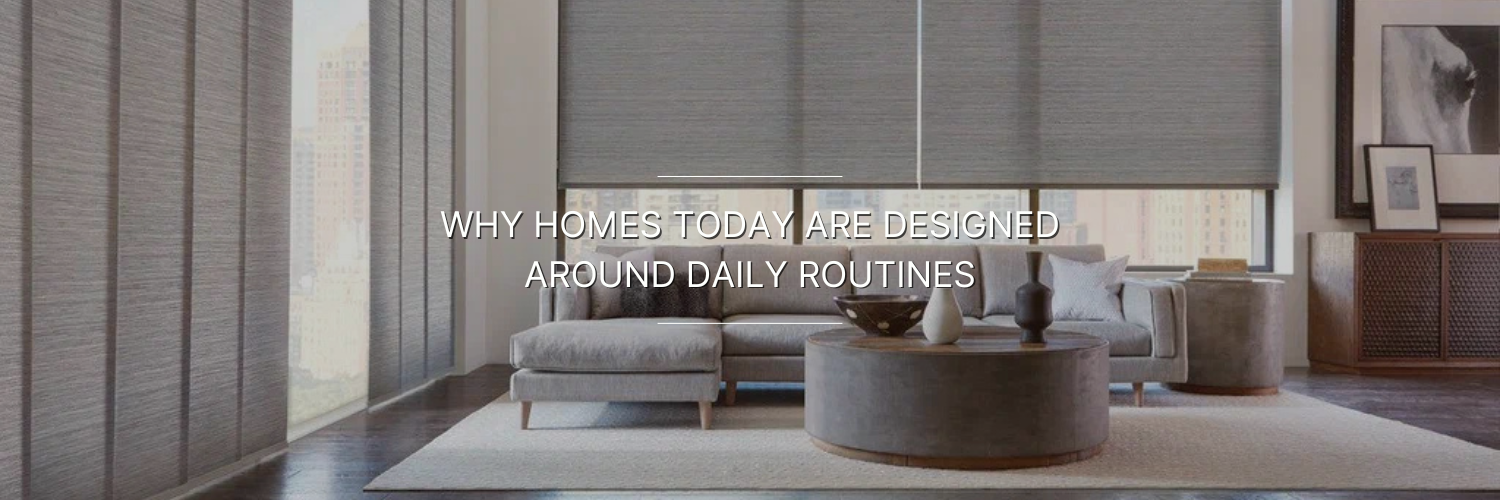
Window treatments play a key role here. Blinds that allow adjustable light, layered curtains that shift mood, and motorised systems that respond effortlessly all help spaces adapt as the day unfolds. Instead of forcing routines to fit the home, the home now adapts to routines.
Comfort Has Become a Daily Requirement
Comfort is no longer reserved for weekends. With more time spent indoors, homes must support long hours without feeling tiring. Flooring choices, for instance, are made for how they feel underfoot, how they absorb sound, and how they regulate temperature – not just how they look.
Wooden flooring, soft fabrics, and breathable materials create environments that feel calm and grounded through everyday use. These are choices rooted in experience, not trend.
Work, Rest, and Pause – All Under One Roof
Today’s homes serve multiple roles. A living room becomes a workspace by day and a place to unwind by night. Bedrooms double as quiet zones for reading, reflection, and rest. Design now focuses on flexibility- spaces that transition easily without needing constant rearrangement.
Blinds that control light precisely, curtains that soften acoustics, and layouts that allow zones within rooms all support this fluid way of living.
Design That Reduces Effort
The most thoughtful homes are the ones that remove friction. Smart features like motorised blinds, well-planned storage, and intuitive layouts reduce small daily interruptions. When a space works smoothly, it fades into the background, allowing routines to flow naturally. This effortlessness is what makes a home feel modern – and premium.
Conclusion
Homes today are designed around daily routines because life itself has changed. Comfort, adaptability, and ease now matter as much as aesthetics. When light adjusts naturally, materials feel good to live with, and spaces support both activity and rest, homes become partners in daily life rather than static backdrops. A well-designed home doesn’t demand attention – it quietly supports the way you live, every single day.