

Many homeowners blame air conditioning the moment a room feels cold or uncomfortable. But in reality, temperature discomfort often has little to do with the AC itself. Home can feel cold even when cooling systems are switched off, and the reasons are usually rooted in design choices rather than appliances.
Understanding what causes this discomfort helps fix the problem in smarter, more lasting ways.
Windows Let More Than Light In
Windows are one of the biggest contributors to temperature imbalance. Glass allows heat to escape easily, especially in homes with large windows or sliding doors. Even on mild days, rooms can feel cold because heat is constantly being lost through uncovered or poorly covered windows.
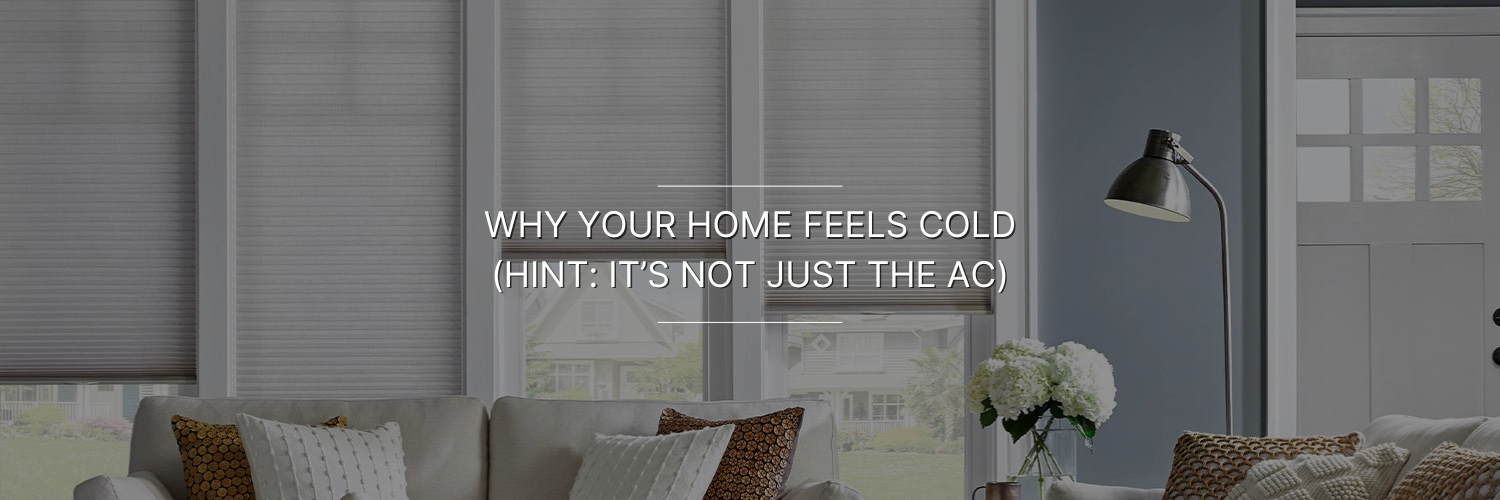
Blinds play an important role here. Cellular blinds, with their honeycomb structure, trap air within layers and reduce heat loss. Roller blinds and dimout systems also help limit temperature fluctuation by creating a barrier between indoor space and outdoor conditions. When windows are left untreated or covered only with light fabric, cold air movement becomes noticeable.
Flooring Makes a Bigger Difference Than You Think
Cold floors affect how an entire room feels. Stone, marble, or ceramic tiles tend to retain coolness, which can make a space feel uncomfortable even if the air temperature is normal. This sensation rises upward, creating a constant feeling of chill.
Wooden flooring helps counter this effect. It feels warmer underfoot and reduces the cold transfer that hard surfaces create. Beyond comfort, it also improves acoustics and adds visual warmth, making rooms feel more balanced and lived-in.
Light and Shade Influence Temperature
Natural light has a warming effect, but when sunlight is blocked incorrectly, rooms feel colder and darker. Heavy curtains kept closed all day prevent warmth from entering. On the other hand, uncontrolled glare can also make spaces uncomfortable.
Blinds that allow flexible light control help strike the right balance. Sheer and dimout combinations let daylight in while maintaining insulation. Motorised blinds make it easy to adjust light through the day, allowing rooms to warm naturally when sunlight is available.
Outdoor Exposure Matters Too
Balconies and large openings without shade protection allow cold air to travel indoors. Awnings and outdoor umbrellas help regulate this transition by reducing exposure and limiting temperature drop near windows and doors.
Conclusion
A cold home is rarely just an AC issue. Window treatments, flooring choices, light control, and exposure all work together to shape how warm or cold a space feels. When blinds manage heat loss, flooring supports comfort, and light is used thoughtfully, homes become naturally balanced. Fixing temperature discomfort starts with design, not the thermostat.