

Have you ever walked into a room and instantly felt relaxed?
Or entered a space that somehow felt stressful, even though nothing seemed obviously wrong?
Most people think mood is influenced by work, sleep, or daily responsibilities. While that’s true, there’s another factor we often overlook: our homes.
The spaces we spend time in every day can quietly influence how we feel, think, and even how much energy we have and what’s interesting is that it’s rarely about expensive furniture or luxury décor. Often, it’s the simple things – light, comfort, textures, and layout that make the biggest difference.
Let’s take a closer look at how home affect your mood and why small changes can have a surprisingly big impact.
Natural Light Has a Bigger Impact Than You Think
One of the fastest ways a room can affect your mood is through light.
Bright, naturally lit spaces tend to feel more welcoming, energising, and comfortable. Dark rooms, on the other hand, can sometimes feel smaller, heavier, and less inviting.
That’s why modern homes are focusing more on controlling natural light rather than blocking it completely.
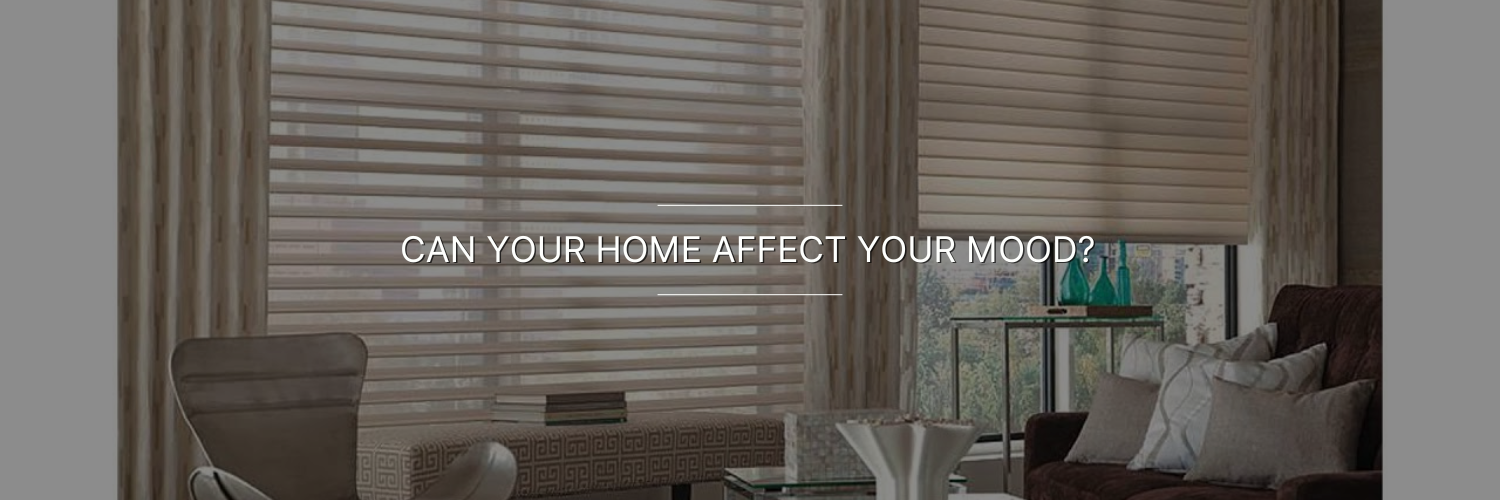
Vista’s Roller Blinds and Sheer-Dimout Blinds allow sunlight to enter softly while reducing glare and maintaining privacy.
The result is a brighter space that feels comfortable throughout the day.
Clutter Creates Mental Noise
Have you ever noticed how difficult it is to relax in a room that feels overcrowded?
Even when everything is technically organised, too many visual distractions can make a space feel stressful.
This is one reason modern interiors are becoming cleaner and more intentional.
Instead of filling homes with unnecessary décor, homeowners are focusing on:
- better lighting
- layered textures
- quality materials
- thoughtful window treatments
Sometimes removing visual clutter has a bigger impact than buying something new.
The Floor Beneath You Matters More Than You Realise
Flooring affects a home’s mood in ways most people never think about.
Hard, cold surfaces can sometimes make rooms feel less inviting, while natural materials add warmth and comfort.
This is one reason Wooden Flooring continues to be one of the most popular interior choices.
Wood creates a sense of warmth, improves acoustics, and helps rooms feel calmer and more balanced.
Lighter wood tones often make spaces feel open and airy, while deeper tones add richness and coziness.
Comfort Is Becoming More Important Than Luxury
One of the biggest home trends in 2026 is the shift from luxury-focused interiors to comfort-focused interiors.
People are asking different questions now.
Instead of:
“Does this look expensive?”
They’re asking:
“Does this feel good to live in?”
This shift has increased demand for:
- motorised blinds
- soft lighting
- warm flooring
- layered window treatments
- functional outdoor spaces
Because comfort affects mood every single day.
Outdoor Spaces Affect Indoor Well-Being Too
Balconies and patios are often treated as bonus spaces, but they can have a major impact on how a home feels.
A comfortable outdoor area creates an extra place to relax, unwind, or simply enjoy fresh air.
Vista’s Awnings and Outdoor Umbrellas help make balconies and outdoor seating areas more usable throughout the day by reducing direct sunlight and heat.
Even a small outdoor space can improve the overall feeling of a home.
Why Some Homes Feel Instantly Relaxing
Think about the homes you enjoy spending time in.
Chances are they have a few things in common:
- natural light
- comfortable temperatures
- warm textures
- minimal visual clutter
- functional spaces
These elements work together to create a sense of ease.
And that’s exactly why two homes with similar furniture can feel completely different.
The Goal Isn’t a Perfect Home
One of the biggest misconceptions in interior design is that happiness comes from having a perfect home.
In reality, most people don’t need perfection.
They need spaces that support their daily lives.
Homes that feel:
- brighter
- calmer
- more comfortable
- easier to live in
That’s what modern home design is really moving toward.
Conclusion
So, can your home affect your mood? Absolutely.
From the way sunlight enters a room to the flooring beneath your feet and the comfort of your surroundings, every design choice contributes to how a space feels.
The good news is that creating a happier home doesn’t always require a major renovation. Sometimes simple upgrades like better blinds, warmer flooring, or a more comfortable outdoor area can completely change the atmosphere.
Because at the end of the day, the best homes aren’t necessarily the most expensive.
They’re the ones that make you feel good every time you walk through the door.